
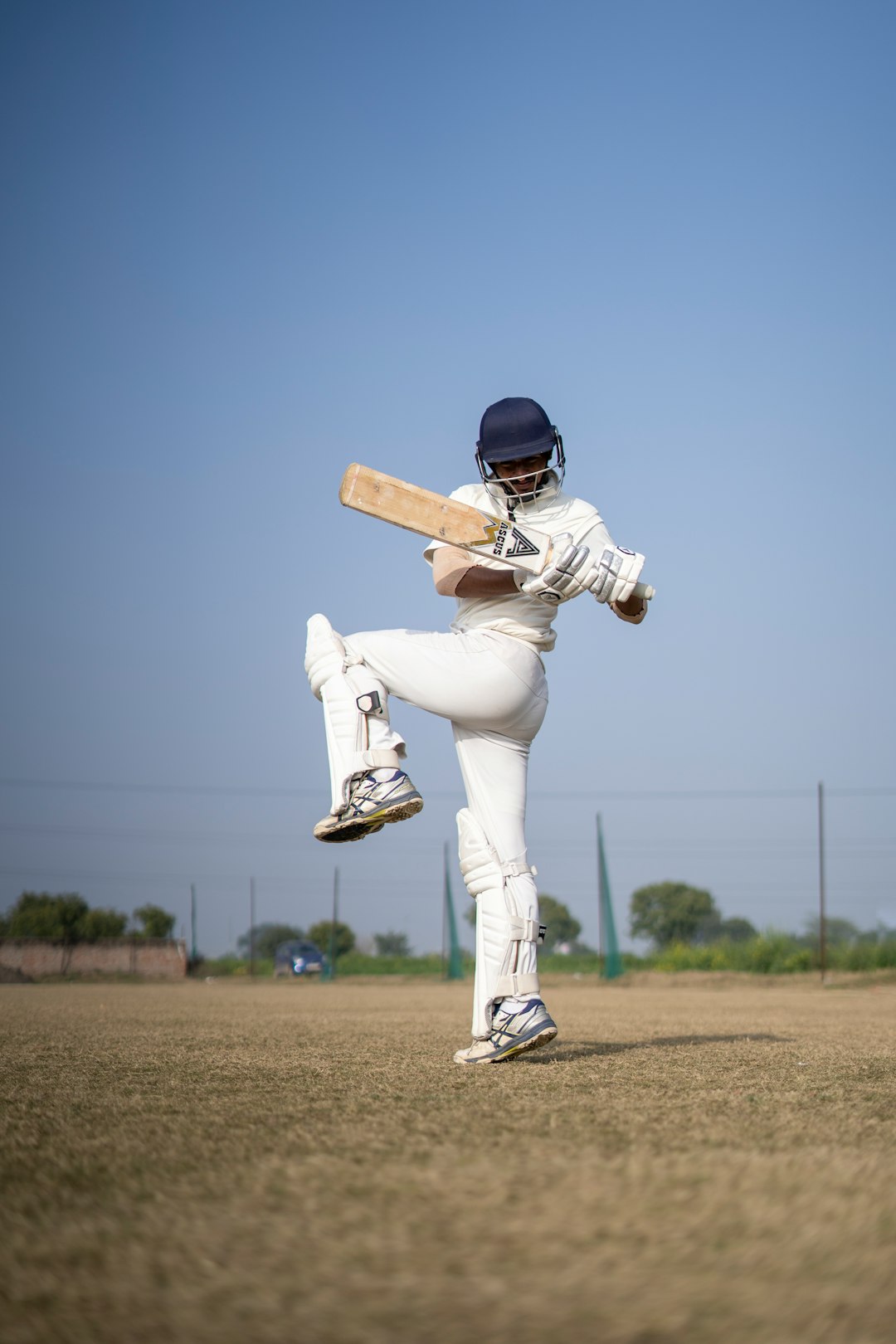
Choosing a cricket bat for a young player can feel surprisingly complicated. There are different sizes, different weights and different bat profiles — and the right choice isn’t necessarily determined by age alone.
For junior players, getting the size and weight right should be one of the first things to consider. A bat that is difficult for a child to control can make practice less comfortable, while a properly sized bat can help them use the bat more naturally.
If you’re wondering “Which cricket bat size should I buy for my child?”, this guide gives you a practical starting point using the DYUCAN Young Colt’s product-specific size chart.
Why Does Cricket Bat Size Matter?
Junior players are still developing their batting technique, coordination and strength. That’s why a cricket bat shouldn’t simply be selected because it looks impressive or because a particular size is commonly used by children of a certain age.
Player height is generally a better starting point than age, because children of the same age can have different heights and builds. Size isn’t the only consideration, though. You should also think about bat length, bat weight, control and the player’s current stage of cricket.
DYUCAN Young Colt Junior Cricket Bat Size Guide
The DYUCAN Young Colt is available in Junior 3, Junior 4, Junior 5 and Junior 6.
| Young Colt Size | Bat Length | Approx. Weight |
|---|---|---|
| Junior 3 | 73 cm | 750 g |
| Junior 4 | 76 cm | 800 g |
| Junior 5 | 78 cm | 880 g |
| Junior 6 | 80 cm | 1,000 g |
These are the customer-facing specifications for the DYUCAN Young Colt. Size and weight can vary between manufacturers, so use the product-specific chart when making your selection.
Should You Choose a Cricket Bat by Age?
Age can be a useful starting point, but it shouldn’t be the only factor. Two children of the same age may have different heights, strength and playing experience.
1. Consider Height
Start with the player’s height and the manufacturer’s size chart. This gives you a more useful reference than age alone.
2. Consider Bat Weight
The bat should be manageable for the player. A young cricketer should be able to hold and move the bat comfortably rather than struggling with its weight.
3. Consider Control
The player should be able to practise their normal batting movements without the bat feeling difficult to control.
4. Consider Playing Stage
A child who has just started playing may have different requirements from a player regularly training at an academy. If you’re unsure, a coach can also provide useful guidance based on the player’s technique and physical development.
What If Your Child Is Between Two Sizes?
If your child is close to a size boundary, don’t automatically choose the larger bat simply because they’ll “grow into it.”
Instead, consider:
- Can they control the bat comfortably?
- Is the weight manageable?
- Does the size suit their current stage?
If you have access to both sizes, comparing them physically is ideal. For academy players, asking their coach can also be useful.
The goal isn’t simply to buy the largest bat a child can eventually use. The goal is to choose a bat they can use comfortably at their current stage.
What Else Should You Look for in a Junior Cricket Bat?
Willow
The type of willow affects the construction and positioning of a cricket bat. The DYUCAN Young Colt is made using Kashmir Willow.
Weight
Weight should match the player’s ability to control the bat. For the Young Colt, the approximate weights range from 750 g for Junior 3 to 1,000 g for Junior 6.
Profile
The shape and profile of a bat also affect how it is positioned for different types of players. For junior players, however, getting the basic size and weight right comes first.
A Simple Checklist for Parents
- Is the size appropriate for the player?
- Is the weight manageable?
- Can the player control the bat comfortably?
- Is it appropriate for their current level of cricket?
- Does the product have a clear size guide?
- Are the product specifications clearly stated?
Meet the DYUCAN Young Colt
The DYUCAN Young Colt is a Kashmir Willow junior cricket bat designed for developing players.
Junior 3 — 73 cm — approx. 750 g
Junior 4 — 76 cm — approx. 800 g
Junior 5 — 78 cm — approx. 880 g
Junior 6 — 80 cm — approx. 1,000 g
Explore the Young Colt and choose the size that fits your young cricketer.
DYUCAN — The Dynamic You, Can.